
-

Try advanced features for free
Get Smarter responses, upload files, create images, and more by logging in.
Log In Sign up & Earn $5

What's Next for AI? Predictions for the Rest of the Decade
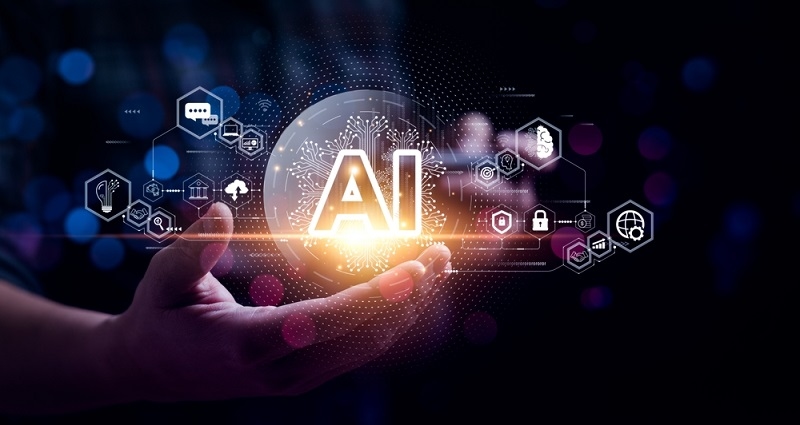
Predicting the future of AI for the rest of the decade feels like watching something big quietly grow in the background. The years between 2026 and 2030 will not be about fancy robots or loud machines. It will be about how next generation AI slowly becomes part of normal life. People might not even notice it at first. But it will be there-changing how we learn, how we think, and even how we live day to day.
Understanding the Future of AI
The next few years will not be about AI doing everything faster. It will be about AI understanding things better. Machines will not just look at data-they will begin to understand feelings, tone, and small patterns that people show without thinking. It is like AI will finally start to "get" what humans mean, not just what they say.
By 2030, AI may stop feeling like a program. It may feel more like a companion that listens, learns, and reacts. People won't treat it like a tool anymore, as they will become a part of everyday life.
AI Predictions 2026-2030: Evolving Intelligence
When people talk about AI predictions 2026-2030, it's really about how AI will start thinking more like humans. It won't be about doing math or sorting data. It will be about understanding. About feeling patterns, tone, and context.
AI will start learning through experience and not just information. It will be trained by listening to the user's voice, which may lead to mistakes as well. Things that you can expect from AI in the future are listed below:
- Deeper Learning: AI will start understanding the meaning of the topics, instead of just remembering the words.
- Continuous Adaptation: It will be able to adjust with the new changes on its own and continuously improve itself for better user-experience.
- Collaborative Thinking: The collaboration of AI and humans will increase and become stronger as well. It will improve the overall effectiveness and efficiency.
This growth will make AI feel less like a computer and more like a partner that learns and changes over time.
What Can You Expect From the Next Generation AI?
It can be expected that there will not be any major changes in the next generation AI. This is because there will be regular small updates that make smarter and quicker for better results and improved user-experience.
Talking to AI can potentially feel almost like talking to a friend who knows your habits by 2023. It will not be perfect, but it will surely feel more natural.
The next generation of AI will most likely focus on three main areas listed below:
- Emotional Understanding: AI will be able to understand how people are feeling and react to it appropriately.
- Contextual Awareness: It will have the ability to know when to stay quiet and when to respond.
- Human Adaptability: Developers will focus on making AI more personal to make sure that it can communicate with different people in different ways.
These small things will make AI feel simple and natural, not forced or robotic. It will be part of life, not something separate.
Emerging AI Trends That Will Define the Decade

The emerging AI trends from 2026 to 2030 will be about making AI more natural and responsible. The goal will be to make technology that fits everyone's life seamlessly and not force humans to adjust to them.
The following points explain the emerging AI trends that will impact the upcoming years:
Personalized Intelligence
AI will focus on understanding every person differently by learning about their habits and preferences. This will make the experience completely personalised for every user.
Ethical AI and Human Alignment
The AI models will be designed and trained properly to ensure that they offer fair results and clearly explain their actions. This would increase the trust among users because it will feel responsible.
Natural Interaction
Having a conversation with AI would certainly feel more like having a real conversation with a person. It will understand your pauses, tone, and even when someone just needs silence.
Creative Assistance
AI will most likely become a quiet but reliable creative partner for almost everyone. It will be helping you in writing, designing, and even developing new ideas.
All these emerging AI trends point in one direction-a world where technology listens more and talks less and fits quietly into human life.
AI Predictions 2026-2030: How Learning Will Evolve
Learning will not look the same between 2026 and 2030. Schools and workplaces will both change. Instead of everyone learning the same thing the same way, AI will create lessons that fit each person.
AI will notice when someone struggles and give them help before they even ask. It will make their learning process simpler and more personal. Students will be able to learn new things at their own pace and will not be forced to do it quickly. This will not just improve their experience, but would also help them to understand and remember things better.
At work, training will become part of the day instead of a separate event. AI will offer small lessons, reminders, and examples to help workers grow without stopping what they do. Learning will blend into life naturally. It will not feel forced-it will just happen.
Next Generation AI in Everyday Life
Next generation AI will quietly become part of everything people do. It won't announce itself. It'll just be there. It might help plan the day, sort through tasks, or remind people of things before they forget.
Homes, cars, and even small devices will start understanding people's habits. AI will predict needs before they are spoken. For many, it will become invisible-something that simply works. Life will feel smoother, a bit easier, but still human. The goal will not be to replace effort, but to remove the unnecessary struggle.
Conclusion
Predicting the future of AI for the upcoming years clearly explains that people are slowly in contention to live a life with technology and not under it. Next generation AI and emerging AI trends will shape life in quiet and steady ways between 2026 and 2030. It will no longer be about control or fear, but about humans and machines growing side by side.
Recommended Articles
How Zero Shot Prompting Lets Y...
Pushing bad prompts into an AI gives you terrible results. You w...
Read More
How AI is Changing Freelancing...
The question of how AI is changing freelancing and remote work i...
Read More

What can I help you with?
Unlock more with TalkGPTPlus
TalkGPTPlus gives you higher limits, smarter models, and more.