
-

Try advanced features for free
Get Smarter responses, upload files, create images, and more by logging in.
Log In Sign up & Earn $5

Why Conversational AI Search Is Changing Everything

Conversational AI search has changed how we interact with the web. It's no longer about typing stiff keywords or complicated commands. Today, we ask real questions and get real answers. People want their technology to listen, to understand, and to respond like a friend or advisor. That's what conversational AI search delivers. It remembers our last question, connects the dots, and provides suggestions that match our intent.
When you use conversational AI search, it's not just a transaction. It's an exchange. This system recognizes relationships between topics. If you're planning a weekend trip and ask about the weather, then the best hiking spots, conversational AI search understands you're planning something outdoors. It ties your questions together and serves up exactly what you need.
The Power of Voice Search AI
Voice search AI is everywhere you look. From smartphones to smart speakers, it's become second nature to just say what you need. People use voice search AI when they're driving, cooking, or when their hands are full. It's effortless. "Turn on the living room lights." "Remind me to call Josh tomorrow." Whatever the task, voice search AI responds instantly.
Businesses are reshaping their online content for this new world. They know that voice search AI interprets natural language. Instead of fragments, it likes full thoughts and proper questions. This shift rewards those who write for humans first. Making things simple, direct, and useful is now how you win at voice search AI.
With this technology leading the way, information flows freely. People get what they need faster. They're less likely to bounce. They feel understood.
Explore More: What's Next for AI? Predictions for the Rest of the Decade
How AI Conversational Search Shapes Results
Today's search isn't just about sifting through dozens of links. AI conversational search means you get answers, not a maze of options. This is a huge leap forward. The old method felt clunky, you would adjust your words because you worried the search engine wouldn't get your point. Now it's reversed. AI conversational search puts you at the center.
Let's say you're looking for recipes. You ask for "spaghetti ideas." The system doesn't just spit out spaghetti pages. It asks what ingredients you have, whether you want vegetarian options, or quick meals. AI conversational search lets you dig deeper, step by step, as if you're talking to a chef friend.
These systems don't just respond, they follow up. They clarify if you're unsure. This way, your needs guide the search, not a set of rigid rules. As a result, the user's experience with AI conversational search feels smoother, more personal, and much more satisfying.
Driving Growth With Conversational AI Search
If you want attention online, conversational AI search is non-negotiable. Here's why: everything today is fast and personal. People don't wait. They want solutions quickly, in their words. Businesses using conversational AI search see higher engagement, more return visits, and better conversion rates.
When someone uses conversational AI search to find your store, you want to be ready with hours, directions, and the latest updates. If they ask which products are best for winter, your content needs to answer before they even click. This isn't about algorithms-this is about people trusting your answers.
Making your site friendly to conversational AI search is more than an SEO trick. It's about trust. Readers appreciate when you talk to them plainly, respect their time, and answer fully. When your website uses conversational AI search principles, people notice. They return. They tell others.
The Role of Natural Language Search AI
Natural language search AI brings understanding into every interaction. This tech is built to read between the lines. It's not just about matching words. It wants to know what you meant. If you search for "How do I start a fitness routine for beginners?" natural language search AI will give you steps, offer video guides, and point you to local trainers. It all feels smooth and personal.
With natural language search AI, users don't worry about formatting their questions. They just speak. The technology fills in the blanks, even if some information is left out. It's clever enough to guess the most useful follow-up. Every time natural language search AI responds, it's building up a better picture of what you want.
Must Read: Fine-Tuning vs Prompt Engineering in AI Explained Clearly
Mastering Voice Query Optimization
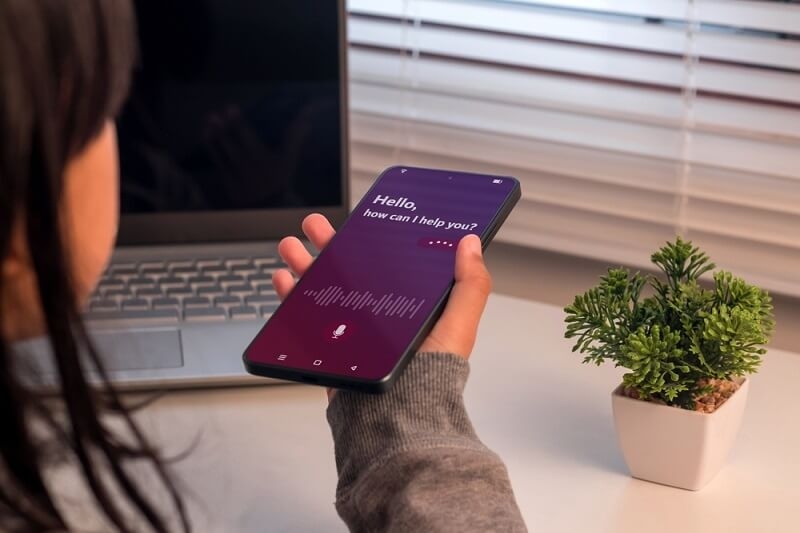
Optimizing for voice isn't an afterthought. It's a necessity. With millions using voice-enabled devices daily, voice query optimization separates the helpful from the overlooked. Start by sounding natural. Write as if explaining to a friend.
Use the full question as people would say it out loud. "What restaurants are open past midnight near me?" works better for voice query optimization than simple "late night restaurants." Organize your answers up top. Keep paragraphs short. Summarize key info in lists or bullet points, easy for voice search tools to read out loud.
Update your content often, too. Trends change, and voice query optimization only works if your info is fresh and accurate. As people become more comfortable with voice, you'll notice your search numbers climbing when you optimize this way.
Search Assistants AI and Future Interactions
Search assistants AI are hard to miss. Their reach extends to every pocket and home. You'll see folks asking Siri for directions, or Alexa for weather updates. This is second nature for many, and it's only becoming more common.
Search assistants AI draw from countless sources. If your info isn't clear, they might skip it. Position your content to help these assistants. Be direct. Use local details, and anticipate the questions users might speak, not just type. Good search assistants AI know when to hand over an answer, and when to suggest deeper options.
As the tech sharpens, expect search assistants AI to recognize voices, learn preferences, and respond to moods. Writing for these assistants adds life and character to your site's voice, rewarding you with better placement and more connections.
Winning With Conversational AI Search
Taking full advantage of conversational AI search means thinking about the person, not the machine. Put yourself in your user's shoes. What do they truly need? How can you resolve their question on the first try? That's what conversational AI search is about: real solutions, clear words, and genuine intent.
Review your site. Does it answer with care? Are you anticipating follow-ups? Your content must flow, guide, and inform. Ultimately, it is not wizardry but focus, empathy, and preparedness that characterize AI conversation search.
Your list of things to do should contain:
- Every keyword smartly used and naturally incorporated
- Structure based on dialogue, consider questions and assistance
- Answers to frequently asked questions that are direct and thought-provoking
- Reality-based local flavor plus practical tips
- Quick and mobile-friendly pages
Your content speaks of you in the case of success with conversational AI search and provides real solutions at the time someone asks.
You may like: How AI is Optimizing Global Supply Chains Worldwide
Final Words
The digital universe is the one for people who think human first. Conversational AI search, voice search AI, AI conversational search, natural language search AI, voice query optimization, and search assistants AI weave through every user journey. They aren't trends, they are the fabric of what's next. Write clear, write human, keep it honest, lead with answers, not buzzwords. That's how you earn trust, keep attention, and shape the search experience of tomorrow.
Recommended Articles

Ethical AI Strategies for Resp...
AI isn't hitting pause-it's only speeding up, way faster than mo...
Read More
How Zero Shot Prompting Lets Y...
Pushing bad prompts into an AI gives you terrible results. You w...
Read More

What can I help you with?
Unlock more with TalkGPTPlus
TalkGPTPlus gives you higher limits, smarter models, and more.