
-

Try advanced features for free
Get Smarter responses, upload files, create images, and more by logging in.
Log In Sign up & Earn $5

Decision Intelligence for Smarter Business Analytics with AI
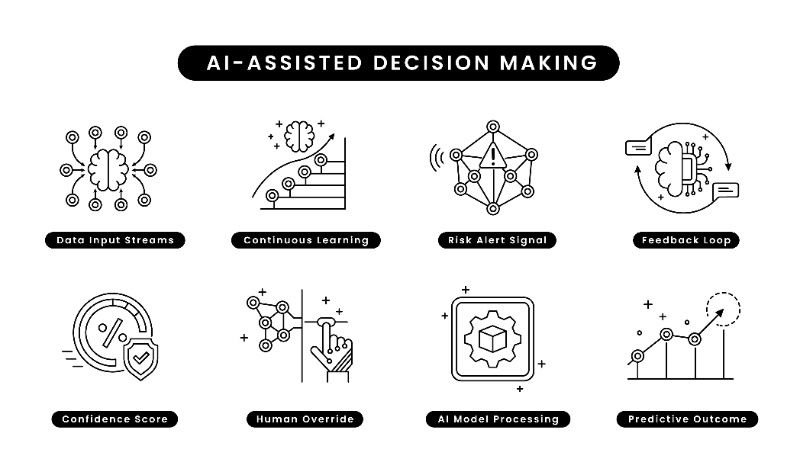
In this day and age, businesses are overwhelmed with data-sales numbers, purchasing habits, notable industry trends, etc. But just having piles of data means nothing by itself. The real edge? It comes from actually using that data to make smarter calls. And that's not always easy. Plenty of companies still get stuck sorting through their raw numbers, trying to pull out anything actionable.
That's where AI starts to shine-not just for predictions, but for supporting real decisions. Companies want to move faster, spot problems before they grow, and build strategies that actually work. That's the whole promise of decision intelligence.
So, let's dig into what decision intelligence actually is, how it fits with business analytics, what AI-powered decision systems bring to the table, and why more people talk about it as a must-have for modern organizations.
Understanding Decision Intelligence in Modern Business
Decision intelligence combines data, analytics, AI, machine learning, plus decision science to improve business decisions. Simple idea. Powerful impact.
But just having all this information isn't enough. It's not about watching dashboards or reading endless reports anymore. What matters is knowing what to actually do next. That changes everything.
So, what is decision intelligence?
That's where decision intelligence comes in. It's a system that pulls together data, predictive models, and AI so teams can make better calls. The goal is not just analysis. The goal is action.
Suggested Reading: How AI in Online Search is Changing the Future Today
How AI-Driven Decision-Making is Changing Business?
Businesses used to rely heavily on historical reports. Look at the last quarter. Review past trends. Then decide. That model feels too slow now. AI-Driven Decision Making changes this by bringing speed, prediction, plus real-time intelligence into business operations.
AI has an edge. It chews through massive amounts of data way faster than any team could. It catches patterns people might miss, and predicts what could happen before you even make a move.
AI Improves Speed Without Sacrificing Accuracy
AI does make things move much quicker; however, it does not sacrifice accuracy & reliability to achieve this goal. In today's markets, speed is everything-think pricing, inventory, future demand. Fall behind, and you lose out.
Using AI, live data will be processed in real-time, and its algorithm will flag the most critical pieces of information so that teams are not bogged down in useless noise! The result is sharper focus and swifter action.
Predictive Models Help Reduce Uncertainty
When it comes to making decisions, there's always uncertainty. Predictive models help. AI can spot trends in current data and basically paint a picture of the future. That means you can test different scenarios, lower your risk, and plan with confidence.
Business Decision Intelligence Improves Strategic Planning
Modern businesses need more than fast decisions. They need better long-term decisions, too. That's where Business Decision Intelligence becomes valuable. So, leadership gets solid, data-driven recommendations-not just gut feelings.
Better Visibility Leads to Better Planning
Many leaders struggle because they cannot see the full picture. Data often lives in separate systems. Sales data sits in one tool. Marketing in another. Finance elsewhere. Decision intelligence connects these pieces. That creates better visibility across the business.
Smarter Resource Allocation Drives Growth
Resources are limited in every business. Time, budget, talent-all constrained. Decision intelligence guides companies to put their resources where they'll make the biggest difference. Teams can double down on projects that promise better returns, cutting back on wasted effort.
Don't Miss: How Zero Shot Prompting Lets You Get Accurate AI Answers?
Decision Intelligence in Business Analytics Creates Real Value
Traditional analytics tells businesses what happened. Modern analytics should do more. This is where Decision Intelligence in Business Analytics becomes powerful. It turns analytics into a decision-making engine.
Instead of always looking back and asking, "What happened?" now businesses can ask bigger questions:
- What comes next?
- What should we do about it?
- Which decision gets us the best possible outcome?
Making that leap changes everything.
Analytics Becomes More Actionable
Reports without action create limited value. It also bridges the gap between analytics and real action. No longer will there be teams simply staring at charts-they now have the ability to take immediate action based on insights gained from those charts. Business moves faster. Data becomes a tool, not just a stack of numbers.
Decision Quality Improves Over Time
One of the coolest parts? AI-based decision systems keep learning. Fresh data comes in, the models sharpen up, and recommendations get stronger. Every outcome feeds back into the system, so it's always getting better.
Key Benefits of Decision Intelligence for Businesses
The impact of decision intelligence goes beyond analytics. It improves how businesses operate across departments.
The benefits speak for themselves:
Stronger Operational Efficiency
No more waiting for someone to comb through a mess of reports or dragging things out for manual reviews. Teams react faster, and decisions stay consistent. Efficiency just happens.
Better Risk Management
Whether it's a sudden market shift, a supply chain hiccup, or changing customer demands, AI spots changes and opportunities early. That lets businesses stay ahead, not just keep up.
Also Read: How to Use AI for Small Business Marketing & Better Results
Conclusion
Business analytics isn't what it used to be. Basic reports alone can't keep up anymore. Everyone's looking for faster answers, better forecasts, and the smarts to turn insights into real action.
That's why decision intelligence keeps getting more important. It helps teams work through uncertainty, respond quicker when the market zigzags, and just make better calls all around. The winners in this new era? They're the companies that don't just hoard data-they actually put it to good use.
As AI keeps evolving, decision-making will speed up and get a whole lot sharper. The businesses jumping on this trend early will stick around and do well long term.
Platforms like TalkGPT.com already help with this shift. Their next-gen AI chat search means companies get quick, sharp insights anytime they need them.
FAQs
Why is Decision Intelligence Important for Businesses?
It's pretty straightforward: decision intelligence lets companies use their data and AI to act faster and smarter. You end up making better calls, cutting out a lot of guesswork, and staying sharp when things suddenly shift.
Can Small Businesses Use Decision Intelligence?
Of course. Even if you're working with a tight team and not a ton of resources, AI analytics can help you plan better and feel more confident about where you're headed. Sometimes, just a handful of smart moves totally changes your growth.
How is Decision Intelligence Different From Traditional Analytics?
The old stuff just tells you what already happened. Decision intelligence actually looks ahead. It takes your data, runs it through AI, and doesn't just spit out reports-it suggests what you should do next. It's less about endless charts, more about real answers.
Which Industries Benefit Most From Decision Intelligence?
Honestly, it's tough to think of any field that's not seeing an edge. Retail, healthcare, finance, logistics, manufacturing, e-commerce-you name it, they're all getting real results. If your company leans on data, decision intelligence steps up and actually moves the needle.
Recommended Articles

How to Use AI for Small Busine...
Small businesses are expected to move fast now. Customers want quick repl...
Read More
What is Prompt Engineering, it...
Artificial intelligence is incredibly powerful, but it cannot read your m...
Read More

What can I help you with?
Unlock more with TalkGPTPlus
TalkGPTPlus gives you higher limits, smarter models, and more.